
New Zealand is a year-round destination, but the “best” time to visit depends on what you want from your trip. Whether it’s long summer days on the coast, colourful spring landscapes, or quieter travel with fewer crowds, each season offers something different.
Understanding how the seasons shape the experience will help you choose the right time for your visit.
Summer (December to February) – Warm, Vibrant, and Full of Life
If you’re looking for the classic New Zealand experience, summer is hard to beat.
January and February bring the warmest temperatures, along with long daylight hours that let you make the most of every day. It’s the ideal time for outdoor activities – from hiking and cycling to sailing and kayaking.
Beaches are at their best, particularly in places like the Coromandel Peninsula and Abel Tasman National Park, while wildlife encounters in areas such as Kaikoura are in full swing.
That said, this is peak season. Flights, accommodation, and popular experiences book up quickly, and some areas can feel busy. Planning ahead is essential.
Best for: Outdoor adventure, beaches, wildlife, and first-time visitors wanting the full experience.
Autumn (March to May) – Mild Weather and Fewer Crowds
Autumn is often overlooked, but it’s a fantastic time to visit.
Temperatures remain pleasant, the summer crowds begin to ease, and the landscapes take on rich autumn colours – particularly in Central Otago and around Queenstown.
It’s also a great time for food and wine experiences, with harvest season in full swing across regions like Marlborough and Hawke’s Bay.
You’ll benefit from a more relaxed pace, easier bookings, and often better value.
Best for: Scenic drives, wine tours, photography, and a quieter experience.
Spring (September to November) – Fresh, Colourful, and Great Value
Spring, particularly October and November, offers a brilliant balance.
The weather is warming up, the days are getting longer, and the country comes alive with blooming flowers and new wildlife. It’s a rewarding time for walking, wildlife spotting, and exploring without the peak-season crowds.
Road trips are especially enjoyable, with quieter roads and easier access to popular destinations like Rotorua, Queenstown, and Milford Sound.
Costs are typically lower than summer, making it a smart choice for travellers looking for value without compromising on experience.
Best for: Hiking, wildlife, road trips, and avoiding peak prices.
Winter (June to August) – Snow, Scenery, and a Different Perspective
Winter transforms parts of New Zealand into a snow-covered landscape, particularly in the South Island.
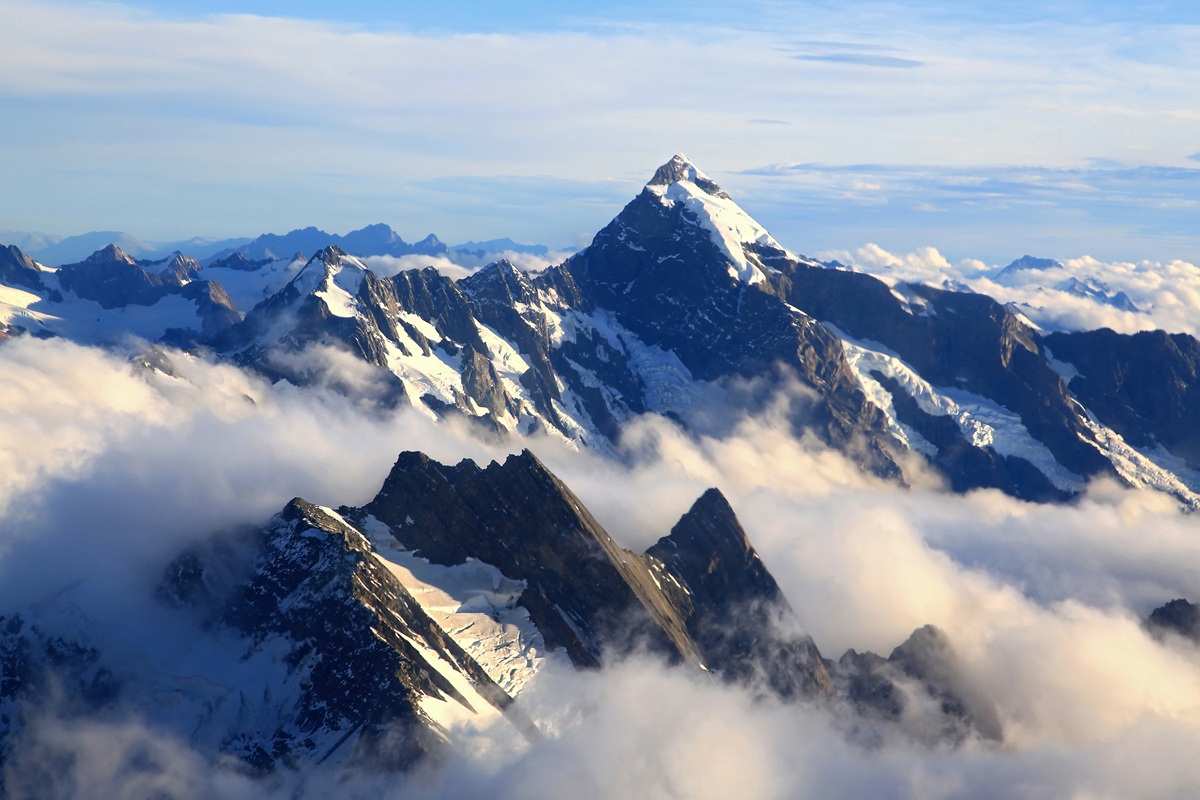
Queenstown and Wanaka become hubs for skiing and snowboarding, while the Southern Alps provide dramatic scenery. Even if you’re not heading to the slopes, winter offers crisp, clear days and fewer tourists.
Some hiking routes and remote areas may be less accessible, but key destinations remain open and often feel more peaceful.
Best for: Skiing, alpine scenery, and a quieter, off-peak experience.
So, When Should You Go?
There isn’t a single “best” time – only the best time for you.
- December to February: Best overall weather and activity range
- March to May: Fewer crowds with excellent scenery
- October to November: Great value and a perfect balance
- June to August: Ideal for snow and winter landscapes
If you want warm weather and maximum choice, summer is the obvious option. If you prefer a more relaxed pace and better value, spring and autumn are often the smarter choices.
Plan Your New Zealand Trip with Confidence
Whether you’re drawn to summer’s energy or spring’s calm beauty, timing your visit properly makes all the difference.
Our escorted New Zealand tours are designed to help you experience the country at its best – with carefully planned itineraries, expert guidance, and the time to enjoy each destination properly.
If you’re considering a trip, get in touch to discuss the best departure dates and options for your plans.